
The Fluid Architecture of the Stern
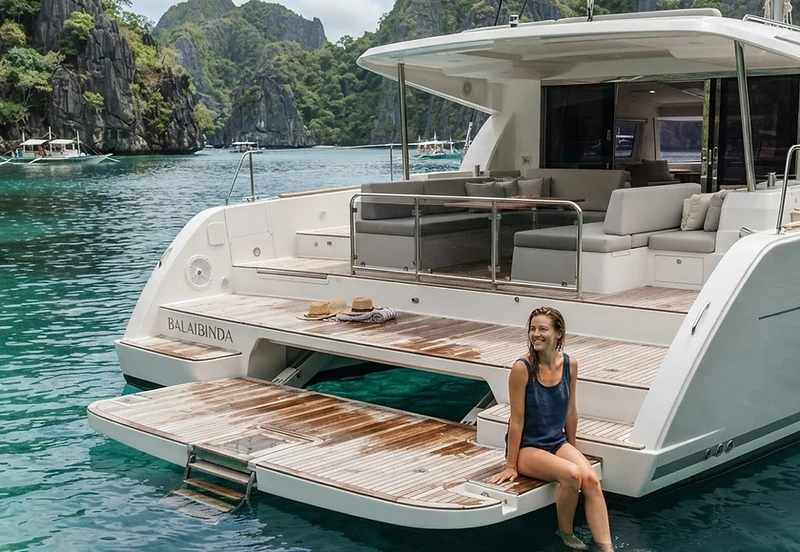
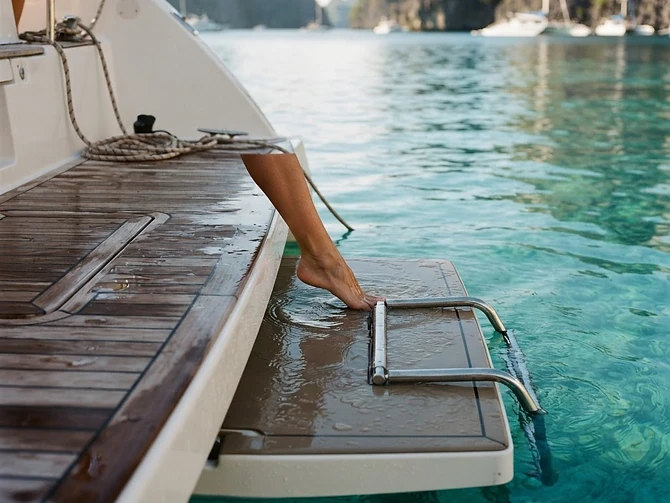
The dawn light in Coron Bay does not merely break; it cascades over the limestone karsts like molten honey, illuminating the turquoise shallows that define the Palawan cruising experience. We were anchored off the hidden entrance to Kayangan Lake, the wide, stable beam of our custom catamaran—a vessel engineered for the specific, shallow-draft demands of the Visayas—acting as a silent, stationary island. The hallmark of this design is not found in the tapering lines of the hulls or the bridge, but in the hydraulic beach-club transom. As the aft platform lowered slowly into the water with a low, mechanical hum, the boundary between the teak-laid cockpit and the liquid expanse vanished. It is a transition that redefines life aboard, transforming the stern into a fluid, multi-purpose stage where the machinery of the yacht becomes an extension of the sea floor itself.
The Gastronomy of the Archipelago
Life aboard is dictated by the pulse of the tide and the freshness of the morning delivery from local fishermen navigating these waters in narrow, outrigger bancas. By midday, our chef had secured a haul of lapu-lapu—the prized grouper of the region—and a crate of calamansi limes sourced from a smallholder in Busuanga. On the aft platform, now submerged just enough to catch the cool, rhythmic wash of the current, we established a casual, sun-drenched lunch. There is an elemental pleasure in eating while seated at the water’s edge, the salt mist mingling with the sharp, acidic bite of kinilaw. The chef prepared the raw, translucent fillets with slivers of siling labuyo, ginger, and the bright, citrusy punch of the local limes, served alongside steamed violet rice. To dine here is to acknowledge that the vessel is not a barrier to the environment, but a calibrated, comfortable tool for experiencing it with profound intimacy.
The Rituals of the Decompression
Returning from a mid-afternoon snorkel through the nearby cathedrals of coral, the transom served as our essential decompression chamber. There was no clambering up ladders or struggling with narrow, salt-slicked steps; one simply swims directly onto the teak decking as it rises, a motion as gentle and deliberate as the changing tide. As the afternoon waned and the shadows of the limestone cliffs stretched across the anchorage, the cockpit evolved into a sanctuary of cooling air. We watched the local outriggers pass in the distance, their sails thin silhouettes against the amber sky, while the scent of roasting coconut husk drifted from the shore of Balaibinda, a quiet beach club tucked into the verdant folds of the coastline. The day’s sensory impressions—the sharpness of the lime, the coolness of the current, the tactile grain of the teak beneath our feet—fused into a singular appreciation of the transit. As the sun dipped below the horizon, the water against the stern deepened to a bruised, violet indigo. The machinery of the transom retracted, sealing the vessel for the night, and for a quiet moment, the only sound remaining was the rhythmic, soft lap of the Sulu Sea against the composite hull, a persistent, grounding reminder of our fragile, temporary hold upon these ancient, shifting waters.






