
The Anatomy of a Transatlantic Cellar
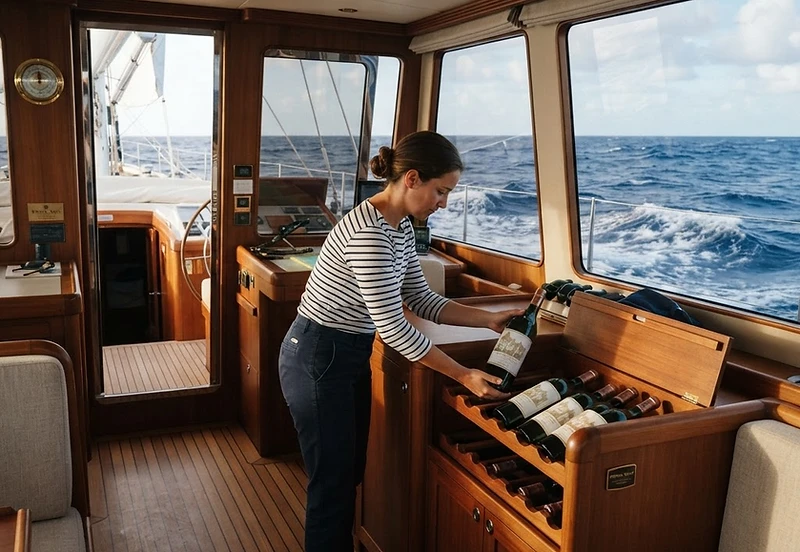
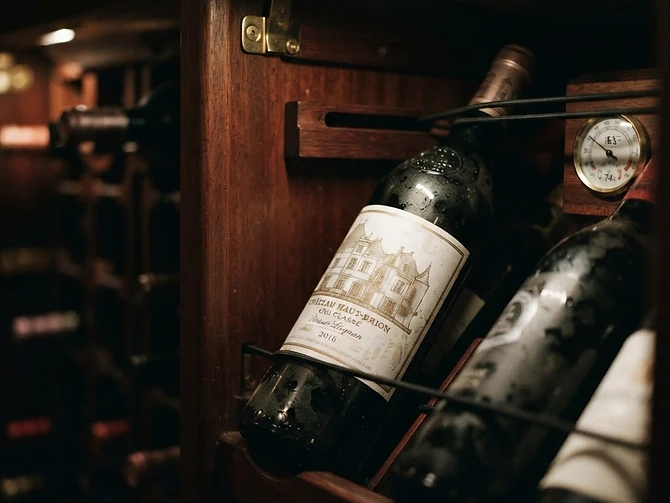
The morning light in the British Virgin Islands is never merely white; it is a bruised, liquid gold that fractures against the varnished teak capping rails of our 45-meter Perini Navi. As the yacht swings on her galvanized hook in the protected lee of Salt Island, the silence is punctuated only by the rhythmic slap of Caribbean chop against the hull. We had departed the Gironde estuary weeks prior, our climate-controlled hold cradling a selection from Château Haut-Brion—a deliberate, terrestrial tether to the damp, gravelly soils of Bordeaux. There is a peculiar, overlooked physics to carrying wine across the Atlantic: the persistent, low-frequency vibration of the twin diesels, the unrelenting inclination of the hull as she tracks the long-period Atlantic swells, and the way the liquid settles into the stillness of the bilge. Watching the steward uncork a bottle in the aft cockpit, the wine displaying a strange, weary patience after the crossing, one realizes that the voyage alters a vintage just as profoundly as it recalibrates the traveler. The liquid is no longer just a beverage; it is an artifact of the journey, having survived the latitudes and the humidity of the mid-ocean passage.
Equilibrium and the Trade Wind Reach
As we set our course toward the bustling anchorage of Gustavia on St-Barthélemy, the trade winds stiffened, pinning the yacht on a steady, exhilarating reach. The transition from the static peace of the Salt Island anchorage to the dynamic, kinetic energy of the open-water run required a precise shift in our shipboard routines. We had carefully transitioned the selected bottles from the subterranean cool of the hold to the interior sideboard, allowing the pressure to equalize and the sediment—disturbed by days of motion—to settle into a final, graceful repose. This ritual is as essential to our life aboard as checking the latest GRIB files or adjusting the tension on the mainsheet. In the galley, the chef worked with a fresh, line-caught wahoo, its firm, translucent flesh demanding the structured, dark-fruit tannins of a 2015 vintage. There is no room for pretension on a pitching deck; the elegance resides in the geometry of the pour and the shared, unspoken focus of the crew as the yacht finds her groove, the massive aluminum hull parting the chop with the heavy-water, silent authority that only a Perini Navi can command in a stiff breeze.
The Architecture of the Evening Watch
By the time we navigated the narrow, vibrant throat of the harbor in Gustavia, our silhouette standing stark against the terracotta-roofed hillside, the final glass of the Bordeaux had been poured. We sat watching the parade of tenders—sleek, low-profile craft darting between the superyachts and the quay—a frantic, high-octane pace that served as a jarring counterpoint to the meditative hours we had spent under sail. The steward moved with practiced, soft-footed efficiency, replacing the used crystal with chilled water as the sun dipped behind the forest of carbon-fiber masts in the harbor. I leaned against the cold stainless-steel rail, the metal humming with the slight vibration of the shore power integration, listening to the cacophony of the port settle into a twilight murmur. The wine had served its purpose, anchoring our senses after the long, oceanic detachment of the passage. We remained on the aft deck long after the harbor lights had begun their flickering ascent of the surrounding hills, watching the sea reclaim the horizon and feeling the salt crusting on our skin, satisfied by the simple, enduring logic of a passage well-navigated.






