
The arrival of the Mediterranean summer is marked not by the calendar, but by a subtle shift in the light—a thickening of the horizon and a crisp, saline clarity that signals the true season of la dolce vita. As yachting enthusiasts descend upon the azure expanses, stretching from the dramatic, vertical limestone of the Amalfi Coast to the hidden, turquoise-watered coves of the Balearics, the charter experience transcends mere travel. It becomes a dedicated study in stillness, a rare opportunity to exist within a rhythmic pulse dictated by the tides, an ancient tempo that the modern, frenetic world has long since forgotten.
The Architecture of Seclusion
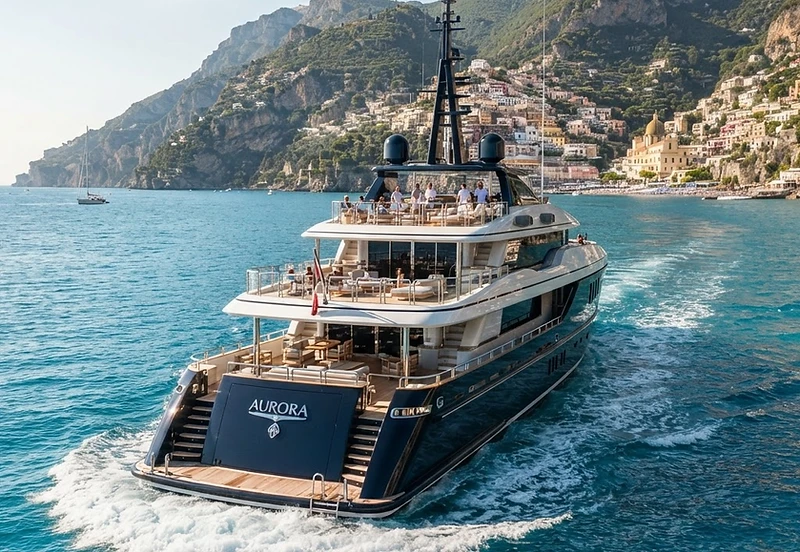
True luxury on the water is no longer measured solely by LOA or beam width, but by the ability to curate one’s own horizon. Contemporary superyacht design—exemplified by the sleek, glass-heavy profiles of vessels from shipyards like Feadship and Amels—has moved toward an architecture of total transparency. Here, expansive glass decks and cantilevered lounges dissolve the boundary between the vessel and the sea. For the discerning guest, this creates an immersive environment where the rugged cliffs of the Bay of Kotor or the verdant, pine-scented shores of the Lavezzi Islands serve as the primary interior design elements. The vessel is no longer merely a means of transit; it is a mobile, private observatory.
I remember one specific morning off the coast of Milos. We were anchored in a small, nameless caldera, the water so translucent it felt as though the tender were hovering in mid-air. As I stepped onto the aft deck, the only sound was the gentle, rhythmic hum of the stabilizers and the distant, metallic chime of a buoy. The captain, a man of few words and profound sea-sense, had timed our arrival perfectly, beating the morning ferry traffic. Standing there, holding a simple ceramic cup of dark coffee, I realized the true luxury was not the yacht itself, but the deliberate act of stopping the world just long enough to breathe in the scent of wild oregano carried on the breeze from the rocky shore.
The beauty of the Mediterranean lies in the tension between its ancient permanence and the fleeting, nomadic nature of a summer spent on the water.
Refined Gastronomy and Coastal Rhythms
Navigating these storied waters requires a delicate, almost instinctual balance of exploration and repose. The most successful itineraries are those that intentionally eschew the frantic, high-season hubbub of the major ports for the quieter, secluded anchorages that only a captain with decades of experience in the Ionian or the Tyrrhenian can reveal. Whether it is finding a sheltered, wind-protected bay in the Cyclades or timing a sunset entry into the harbor of St. Tropez just as the golden hour turns the old stone buildings into warm amber, the art of the Mediterranean summer is found in the restraint of one’s movements.
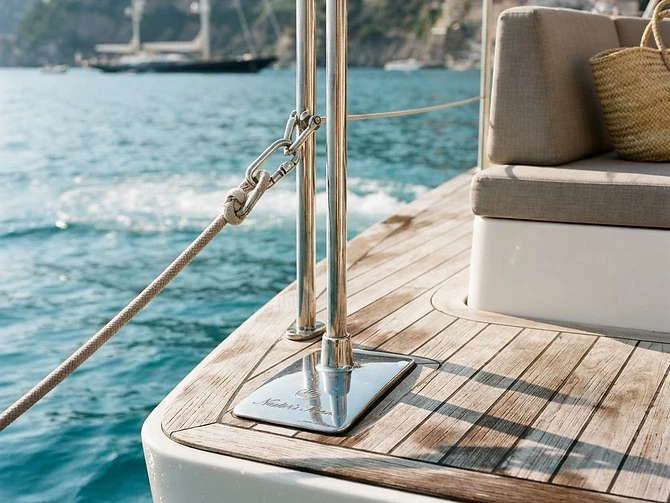
Beyond the architectural splendor of the yachts, the season is a celebration of regional provenance. Onboard chefs, increasingly attuned to the ethos of hyper-local, farm-to-table dining, seek out the smallest docks and seaside markets to source the day's finest offerings: sun-warmed heirloom tomatoes from the gardens of Sicily, sea urchin pulled from the Aegean that morning, and unfiltered olive oils pressed in the hills above Provence. Dining on the aft deck, with nothing but the gentle, hypnotic slap of water against the teak hull, is a ritual that physically connects the guest to the geography they traverse.
As the sun finally dips below the horizon, bathing the coastline in deep hues of violet and copper, the yachting life adopts a different character. The energy shifts from the sun-drenched, active exploration of the day to a quiet, candlelit elegance that feels entirely removed from time. This is the Mediterranean at its most profound: a sanctuary of calm that persists, anchored firmly in the deep blue, despite the shifting tides of trends and the encroaching demands of the shore.






