
The Elevation of Command
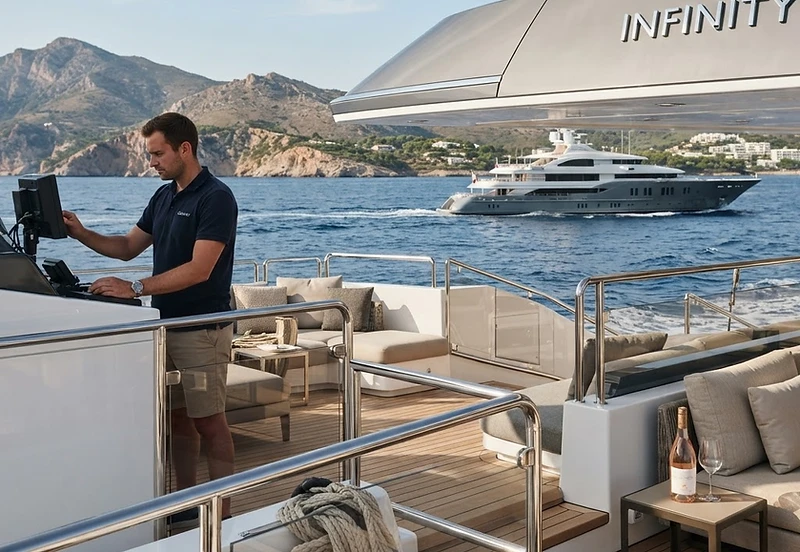
To stand upon the bridge of a modern superyacht—particularly on a vessel of the caliber produced by Dutch shipyards like Feadship or Oceanco—is to occupy a space where architecture transcends mere utility. Unlike the claustrophobic, brass-heavy pilot houses of a bygone era, the contemporary bridge has evolved into a panoramic gallery, an elevated sanctuary that connects the helmsman to the vast, shifting geometry of the sea. Expansive panels of tempered, heat-reflective glass provide an unbroken line of sight, effectively turning the navigation of a hundred-foot vessel into a seamless, tactile interaction between man and maritime horizon.
It is here, during the quiet transition from the open Atlantic to the crystalline shallows of the Exumas, that the true genius of the design reveals itself. The light at 05:00, when the sky is still a bruised purple and the water a flat, featureless obsidian, demands a specific kind of focus. The bridge console, glowing with the muted, amber-toned displays of the integrated bridge system, serves as the only point of stability in a dark world. It is a moment of profound sensory clarity, where the hum of the stabilizers is felt in the soles of your feet rather than heard, and the only true measurement of speed is the gentle, rhythmic parting of the dark water against the bulbous bow.
The Observation Lounge as Architectural Anchor
Adjacent to the primary helm, the observation lounge offers a retreat that balances technical intensity with the luxury of stillness. The design often mimics the fluid, organic lines of the hull itself; low-profile Italian leather seating is positioned to face the glass, and soft, recessed ambient lighting ensures that the navigator's nocturnal eye remains perfectly adjusted to the pitch-black exterior. This is where the day’s strategy is reviewed over a steaming cup of espresso, while the yacht’s track is plotted toward a sheltered cove in the Ionian Sea.
I recall one particularly still morning off the coast of Kefalonia, sitting in such a lounge while the captain adjusted the heading by a fraction of a degree. Outside, the craggy silhouette of the island began to catch the first pale gold of dawn. The glass walls, clean and devoid of mullions, framed the landscape like a living canvas. There is a distinct, understated power in being able to sit in a climate-controlled, air-conditioned environment while observing the raw, saline volatility of the ocean. It is the yacht’s architecture that grants this luxury—the ability to experience the wilderness without ever being subjected to its indifference.
The Geometry of Transit
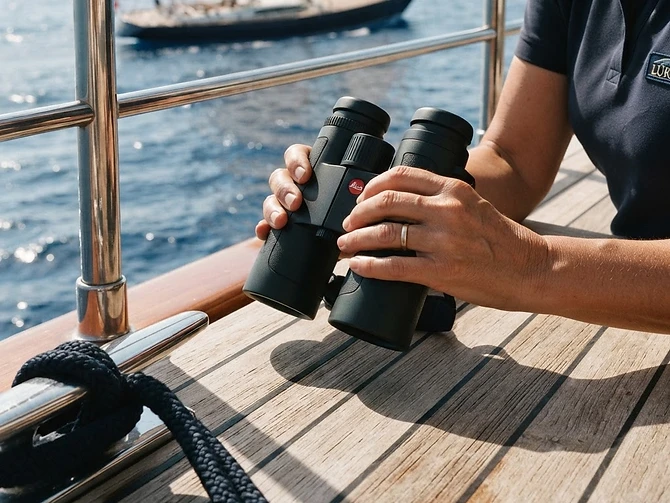
A navigator’s focus at the bridge is fundamentally rhythmic, governed by the mechanical heartbeat of the vessel. The passage is measured not merely in nautical miles, but in the alignment of the yacht’s movement with the currents and the swell. When the autopilot is disengaged and the wheel takes over, the captain’s hands move with a graceful economy, shifting the vessel through tight Mediterranean straits with the precision of a surgeon. The glass bridge acts as a lens, sharpening the reality of the distance between the steel hull and the jagged rocks of a harbor entrance.
As the yacht eases into its anchorage off the coast of a remote island, the glass walls of the lounge seem to dissolve, effectively inviting the landscape into the interior. Whether negotiating the complexities of the port of Monaco or holding station in a quiet, wind-shielded bay in the Cyclades, the bridge remains a monument to clarity. It proves that the most sophisticated luxury is not found in gilded fittings or marble floors, but in the ability to witness the world with absolute, unencumbered precision, sheltered by the strength of the steel beneath the floorboards.






