
The Geometry of the Deep
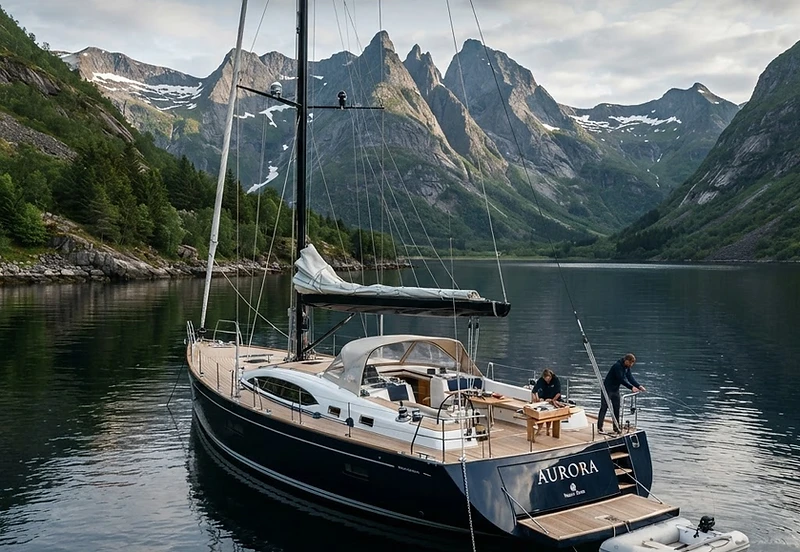
The Helgeland coast does not yield to the casual mariner. As our Nautor's Swan 98 slipped into the narrow channel beneath the sheer, jagged peaks of the Seven Sisters, the chart plotter revealed a labyrinth of granite shoals and deep, glacier-carved fissures. There is a specific tension in these waters, a sensory weight that comes from knowing the depth beneath the keel is often as profound as the cliffs that shadow the decks. We moved with the tide, the wind sighing through the rigging, an understated acoustic backdrop to a landscape defined by grey stone and cobalt swells.
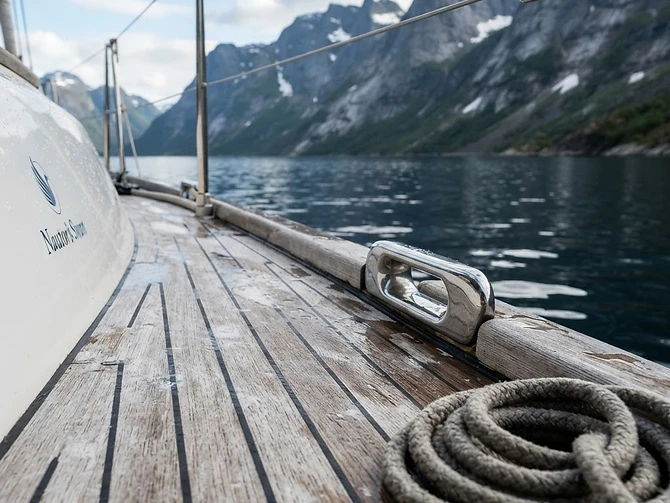
We found our anchorage in a sheltered cove off the island of Dønna. The anchor chain rattled out, a heavy, metallic punctuation in the immense silence of the fjord. From the cockpit, the water looked like hammered pewter, reflecting the low-slung, bruised light of the Norwegian afternoon. This is not the azure warmth of the tropics; this is a place that demands a certain fortitude, where the air smells of brine, cold moss, and the distant, biting promise of the Arctic. After the technical demands of the passage, the deck became a place of transition—a platform from which to observe the raw, geological drama of the coastline.
The Galley and the Cold Harvest
Life aboard a vessel of this pedigree is defined by its autonomy, a philosophy that extends directly to the table. Our chef had spent the morning working with local fishermen at the small pier in Sandnessjøen, securing a catch that was as much a part of the terrain as the granite itself. On the galley counter lay the prize: fresh Atlantic cod and a handful of hand-dived scallops pulled from the frigid, nutrient-rich depths of the Vefsnfjord. There is no room for artifice when the ingredients are this honest; the focus was purely on the preservation of the sea’s inherent character.
By early evening, we had taken the tender to a weathered granite shelf on the shoreline, a natural plinth exposed by the retreating tide. The dining ritual was a quiet affair, unburdened by the usual excesses of port life. We served the cod poached in butter infused with fresh dill and sea kale foraged from the intertidal zone, paired with potatoes grown in the shallow, mineral-heavy soils of the nearby islands. The meal was a dialogue with the geography—a testament to the fact that, in the Helgeland reach, the most refined luxury is simply the ability to taste the environment exactly as it exists.
The Aftermath of the Tide
As the sun dipped behind the western ramparts, the temperature fell with a sudden, sharp finality. We retreated to the warmth of the saloon, the hull creaking softly against the movement of the tide. The conversation shifted from the mechanics of navigation to the peculiar intimacy of living on the water in such an unforgiving latitude. There is a rare stillness here, a sense that the vessel is not just a mode of transport but a vessel of containment, holding us steady against the vast, indifferent pull of the north. We watched the last of the light bleed from the water, leaving only the dark, obsidian silhouette of the mountains and the distant, rhythmic blink of a coastal beacon guiding the path toward the open sea.






